
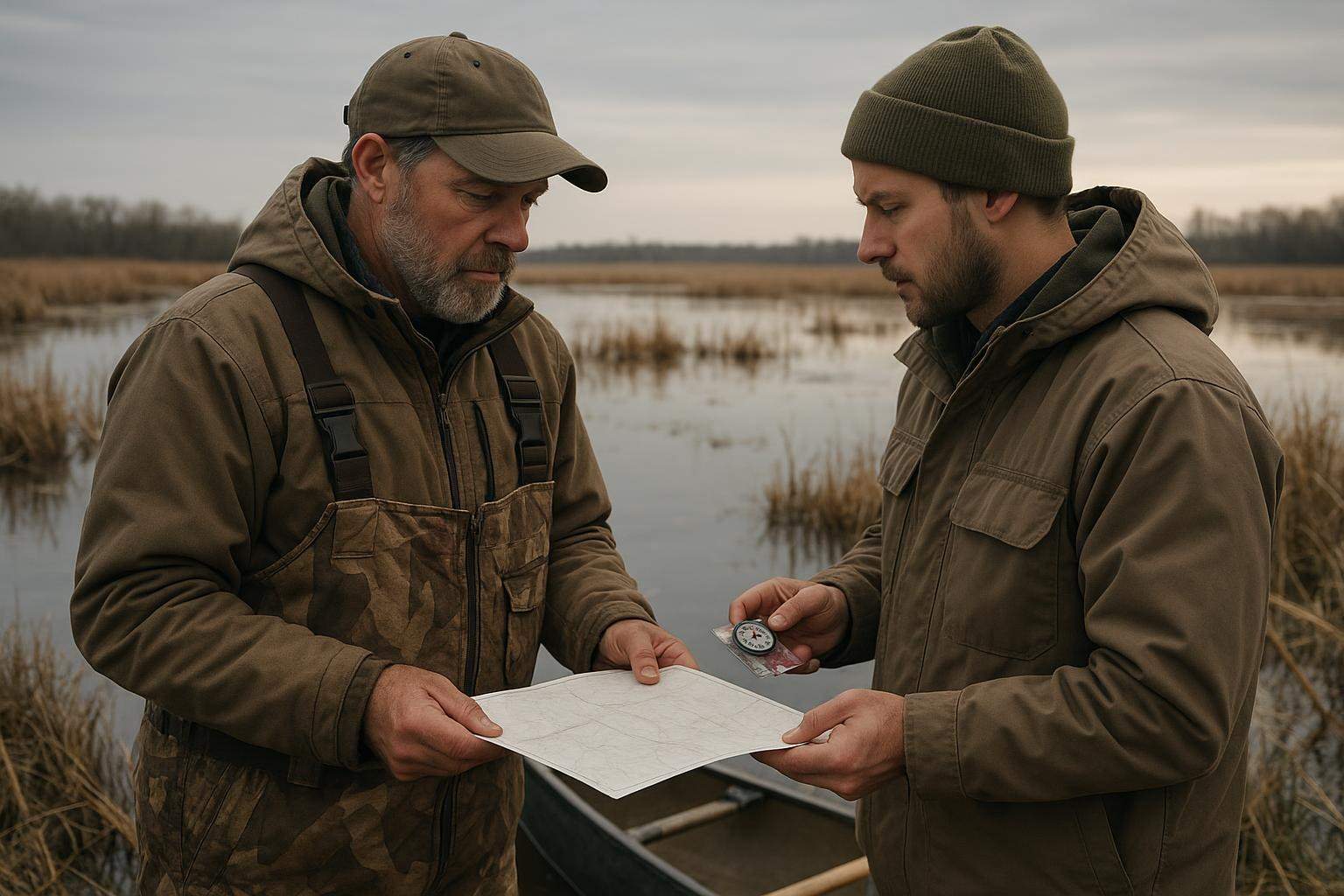
Navigating Ethical Choices During a Minnesota Duck Hunt
Booking a guided duck hunting trip is often an exercise in excitement. Hunters may book their spots weeks in advance. The reality of changing conditions-like unpredictable bird activity, bad weather or unexpected problems-can make planning hard. Good preparation isn't about following a schedule; it's about being ready to change and making tough choices to keep everyone safe and protect the hunting area.
Talk Openly with Your Guide
Before you start your trip have a talk with your guide. Be honest about your shooting skills, your strength and what you like. This includes talking about how open you're to changes in where you hunt or how fast the hunt goes. This kind of honesty helps your guide shape the trip to fit your needs. It stops pressure later in the day.
Ask about the guides rules for handling situations. If things like water levels, bird movement or weather mean changing the plan what other options will be there? Knowing this process in advance helps you feel less worried when you are waiting in clothes as the sun goes down.
Make sure you have the gear. Bring clothes that work when wet wear eye and ear protection and have waterproof containers for papers and important equipment. Your gear should help you be flexible for a hunt not hold you back.
Set Safety Rules Before You Start
When you arrive at the meeting place take time to talk about safety. Make sure everyone knows about the hunting area how much walking or wading is expected, any boat rules and what the plan's for picking up birds. It's important to be clear about where to shoot and how to handle birds that fall especially if another group is around. Everyone needs to understand the plan. If you don't get something ask away. It's better to fix questions before you start shooting than to try to figure things out in the middle of a time.
Be honest about your limits. Things like being tired, cold or nervous can make it hard to think clearly. Admitting when you're not ready is better than putting everyone in danger.
Know the Difference Between a Safe Shot and an One
Duck hunting needs quick choices but that speed should never stop you from thinking. Before you shoot check the target. Also what is behind it. Make sure your shot won't hurt anyone or other animals. If a duck is far away or its dark or if shooting could put others in danger its better to wait.
Ask the group what they think is a shot. Don't just rely on what you did. What is okay can change depending on things like how clear it is, the wind and where other hunters and dogs are. Making a mistake because you were in a hurry can have problems, both legally and in how you feel about yourself.
Plan for Retrieval as Part of Your Plan
Think about where a bird might fall and how easy that area will be to reach. Thick plants, fast water or steep sides can make it hard to get the bird. If you think you can't get the bird safely or well don't take the shot just because it's in range.
After you take a shot watch where the bird lands and tell your guide where it is. Don't rush in without thinking. Go by the rules for getting the bird. Moving fast without planning can put you in situations or make it hard to get your game especially if you have to go through water or the shooting area.
If you lose a bird after trying hard be truthful about what happened. Thinking about your shot and the conditions can help you learn. Calling every loss a mistake can be bad. Seeing it as part of the process is better.
Know the Rules
Duck hunting is not a fun activity; its controlled by changing rules. So learn about your states rules before your trip. Check for information about hunting times, areas, shooting hours, how many birds you can take what papers you need and any other duties like marking or reporting.
Before you go ask your guide what papers you need.. Make sure you understand the rules yourself because local knowledge can help but can't replace the law. If there are changes in where you can go be careful. It's better to check for changes of guessing based on last year's plans.
Let Conservation Lead Your Choices
Conservation isn't a rule-it's part of every choice you make while hunting. From not taking a shot thats not sure to picking up birds every action affects the future of the hunt. Also remember that a day with no birds can still be good if its done the way.
As you get ready to take a shot ask yourself these questions: Is the bird clear? Is the area safe? Can you get the bird without putting yourself or others in danger? Is this allowed under the rules? If any of these answers are no it's better to keep your gun safe and let the chance go.
These smart rules help not your day but also protect the hunting area for the future. Balancing your desire to hunt with what's right builds trust between hunters and guides ensures that resources are used properly and keeps relationships, for future trips. In Minnesota's duck hunting world being ready to change isn't a problem; it's part of planning when nature is unpredictable.